Kitchens award confidence, yet they penalize interruption. A slick of oil on the floor, vapor rolling off a stockpot, a blade refined within a hair's width can transform a regular shift or a home-cooking session into a shuffle. I have worked in kitchen areas enough time to know that Helpful hints accidents prefer the tired and the hurried. The distinction in between a scare and a hospital go to usually boils down to relax activity in the very first sixty seconds and behaviors found out via correct first aid training.
If you prepare for a living, take care of a place, or just feed a family members most evenings of the week, treat first aid as component of your mise en area. A stocked kit available, a short plan rehearsed with your group, and the muscle memory that originates from a first aid course make kitchens safer without slowing down production. The objective below is practical: what to do, what to avoid, and exactly how to develop skills that hold up when warm, noise, and necessity slip in.
Why cooking areas reproduce particular injuries
A cooking area compresses numerous risks right into a limited workspace. Dry warmth from stoves and grills sits beside wet warmth from cleaners and dish washers. Liquids relocate at a boil or under stress. Blades stay razor sharp deliberately, and slicers, mandolines, and mixer amplify that side. Chemicals utilized for cleanliness can aggravate eyes and skin. Floorings come to be unpredictable when water and oil mix.
The pattern of injuries mirrors that setting. Burns rank initially in several specialist kitchen areas, with superficial scalds exceeding deeper contact burns. Cuts range from shallow slices to slits and avulsions when a knife pointer slides or a can cover snaps. Less typical however significant events include choking, allergic reactions, and cardiac events amongst clients or team. These outliers matter also because kitchen areas function as public spaces, and you might be the only individual close by who understands CPR.
What efficient first aid looks like in the kitchen
First aid is the bridge between injury and expert medical care. It maintains, relieves pain where possible, and prevents troubles like infection or shock. In the kitchen, effective first aid additionally maintains health, maintains cross contamination in check, and obtains the station back into secure procedure. That usually implies an added thirty secs to handwear cover and cover an injury appropriately, or a clear ask for a short break rather than pushing through a bloodied bandage.
I press teams to treat first aid as an ability you train, not a pamphlet you check out once. A structured first aid and CPR course provides you repeatable steps and the confidence to act in those essential early moments. Accreditation issues, not for the paper alone, yet since qualified programs stress realism: damp floorings, sound, restricted area, and the need to entrust. If your location offers the general public, a current first aid certificate also pleases lawful and insurance coverage obligations.
Burns and scalds: the cooking area's most typical injury
Hot surfaces and fluids do a lot of the damage. A steam shed can blister within secs, and sugar syrups or sugar cling to skin, transferring warm longer than water. Oil burns often tend to be much deeper as a result of higher temperatures.
For minor burns, the objective is to cool the tissue quickly without triggering additional harm. I have actually seen well-meaning colleagues reach for ice, butter, toothpaste, or gauze directly from first aid learning options nearby a dusty bin. Avoid all of it. Ice narrows capillary and can get worse tissue damages. Ointments catch heat. Cotton sheds fibers into the wound.
Move the individual far from the heat, eliminate rings, watches, or tight items prior to swelling embed in, and cool down the burn under cool running water. Twenty minutes is ideal for numerous surface burns, however even ten aids. If running water is difficult, utilize awesome, clean compresses and rejuvenate them commonly. Maintain the individual cozy overall with a towel or coat to avoid chilling.
Once cooled down, cover the melt with a sterilized, non‑stick clothing or clean plastic movie. Do not cover snugly. If sores develop, leave them undamaged. Bursting blisters welcomes infection and discomfort. Burns on the face, hands, feet, genitals, or across joints deserve clinical analysis, as do burns larger than a hand, chemical burns, and electrical burns. Oil fires that singe air passages or steam bursts to the face are especially risky because swelling can block breathing after a delay.
Kitchen edge situations often involve sticky materials. Hot sugar, cheese, or syrups stick. Do not peel them off. Amazing the location, let the product collection, after that gently lift just what comes away openly. If garments is stayed with a melt, cool through the fabric and cut around it, leaving the adhered portion for a clinician.
Cuts, slits, and lacerations: managing blood and hygiene
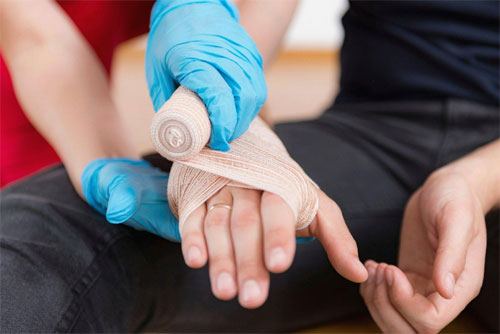
Every cook creates a healthy and balanced respect for a sharp knife. Pieces happen, commonly at speed. The primary step is control. Set the blade down safely, after that use direct stress with a tidy, absorbent pad. If you have a color‑coded kitchen first aid package, heaven metal‑detectable bandages and finger cots assist maintain bandage fragments out of food. Keep the hurt hand boosted to minimize bleeding.
For small, tidy cuts that stop bleeding with stress, rinse under running water to flush debris, rub dry with sterile gauze, and close sides with adhesive strips if required. Apply an antibiotic ointment just if you can cover it completely and maintain it out of food prep. In a business kitchen area, gown the injury, include a finger cot or handwear cover, and alter the clothing at the first sign of wetness or contamination. If a bandage loosens up, stop work and fix it instantly. No exceptions.
Deeper cuts, open wounds, or injuries that remain to hemorrhage after ten minutes of steady pressure require specialist treatment. So do punctures from bones, fish spinal columns, or damaged glass. If an object is ingrained, stabilize it with extra padding and bandage around it as opposed to eliminating it. Elimination can raise blood loss or worsen damage.
I when watched a prep cook attempt to work through a palm laceration, swapping towels while dicing onions. He was out for a week with an infection. Speed in the minute cost him time later on. Tidy, cover, and if doubtful, go with stitches.
Eye exposures: sprinkles, steam, and caustics
Acidic ingredients, hot oil, bleach, and sanitizer dashes can do genuine damage. Eyes are ruthless. If something gets in the eye, hold the eyelids open and water with clean, warm water or isotonic eyewash for at the very least fifteen minutes. Objective the circulation from the inner corner outward to stay clear of contaminating the other eye. Remove get in touch with lenses if they drift free, yet do not dig for them.
Chemical direct exposures require timely irrigation and a testimonial of the product's safety information sheet, which frequently beings in a binder near the workplace or dish area. Alkaline cleansers can pass through deeper than acids and require longer flushing. If pain, soreness, or blurred vision continues, look for immediate treatment. Do not neutralize chemicals with other chemicals, and never ever apply lotions to the eye.
Burns from chemicals: oven cleaner, drainpipe opener, sanitizer
Most kitchens maintain concentrated items to conserve space and price. That elevates stakes when spills occur. For skin direct exposure, brush powder off prior to including water, then wash under running water for a minimum of fifteen mins. Get rid of polluted garments and jewelry. For big location direct exposures or if you feel intense burning, tingling, or numbness, call for clinical assistance. Maintain the product tag helpful for responders.
Fumes can likewise irritate air passages. If somebody coughings, wheezes, or feels lightheaded after blending or splashing chemicals, move them to fresh air and loosen up tight clothes. If breathing becomes tough, that changes into an emergency pathway, and qualified personnel should be ready to call emergency situation solutions and check breathing. This is a minute where CPR training converges with chemical safety. If someone passes out and is not taking a breath typically, you require those CPR steps without delay.
Choking and airway emergency situations in the cooking area and eating room
Kitchens deal with sharp devices and hot liquids, yet choking occurs usually in the eating location. That claimed, staff in some cases grab a quick bite while running food or slip a forkful between orders. Food, specifically steak, bread, and leafy greens, can wedge in the airway.
A person that can cough or talk is not fully obstructed. Urge them to cough, remain with them, and prepare to act. If they can not talk, cough, or take a breath, and they reveal the universal choking indication, start abdominal drives with authorization if they can provide it or if they are clearly choking. With expectant people or those you can not get to about, switch to breast drives. If they pass out, telephone call for help and start CPR with breast compressions, checking the mouth for noticeable obstructions between cycles. Do not do blind finger sweeps.
Training issues right here. A good first aid and CPR course drills the series till you can do it under stress, educates adaptations for children and older adults, and makes clear when to stop treatments. Lots of kitchens now set up a CPR course throughout pre‑season or slower durations, then run a CPR refresher course each year or 2 to maintain skills current.
Allergic reactions and anaphylaxis in solution settings
Food irritants hide in sauces, marinades, and fryer oil. Also cautious food selections can not remove danger. Responses vary from itchy hives to life‑threatening airway swelling. If a customer or employee shows signs like swelling of the lips or tongue, hissing, hoarseness, throwing up, or faintness, treat it as a medical emergency.
Ask if they bring an epinephrine auto‑injector. If they do and consent, aid them use it into the outer thigh with garments if needed. Note the moment. Call emergency situation solutions also if signs and symptoms improve, since rebound reactions can occur. Lay the person level with legs raised unless they are throwing up or having difficulty breathing, in which case let them sit or rest on their side. Prevent giving food or beverage. If the individual has bronchial asthma and utilizes an inhaler, that can assist with hissing while epinephrine takes effect, yet it does not replace epinephrine.
Staff training must cover allergen awareness in food handling and first aid for reactions. Some providers integrate cpr courses Subiaco this into first aid courses, and that combination repays in real life since prevention and reaction feed each other.
Heat stress, slides, and electrical mishaps
Not every kitchen emergency situation hemorrhages. Heat tension creeps up throughout lengthy solutions, specifically in confined lines without excellent ventilation. Early indicators include frustration, lightheadedness, nausea or vomiting, and clammy skin. Move the individual to a cooler spot, get rid of excess layers, and deal sips of water if they look out. Use amazing, moist towels on the neck, armpits, and groin. If complication, fainting, or warm, completely dry skin develops, suspect heatstroke and call for emergency aid. Cooling becomes immediate. Followers, cold pack covered in towel, and constant surveillance make a distinction while aid arrives.
Slips send out lots of cooks to urgent treatment. If somebody drops tough and suffers extreme pain, deformity, or inability to bear weight, think a fracture or sprain. Convenience and paralyze the limb. Ice covered in a fabric can decrease swelling. Do not compel a joint straight. Head strikes ask for observation. If there is loss of consciousness, vomiting, confusion, or worsening headache, bring in clinical assessment without delay.
Electrical injuries are uncommon yet memorable. Water and power do not mix. If a person is stayed with a real-time resource, shut off the power prior to touching them. If you can not get to a switch securely, make use of a non‑conductive thing like a dry wood mop handle to divide them. Once free, analyze breathing and pulse. Burns from electrical energy can look little externally and vast below. Any electric shock with discomfort, confusion, or burns is entitled to medical care.
Building kitchen‑specific first aid habits
I have enjoyed skilled teams turn unstable first aid into positive activity by tending to three ingredients: preparation, rep, and leadership. Preparation is straightforward however overlooked. A first aid package that really consists of the best equipment, a fire covering near fryers, a billed eyewash bottle accessible of the meal area, and handwear covers in numerous sizes that cooks will actually put on. Post emergency numbers where the phone lives, not buried inside a binder.
Repetition comes from training. Book a first aid training session on website, during daytime, with the crew that will react initially. The very best service providers customize scenarios. They established a simulated cut at the veg terminal with phony blood, or a steam burn throughout a simulated pasta thrill. They run a CPR training block that consists of exercising with a manikin on a wet flooring with history noise. They offer a first aid and CPR course that results in an acknowledged first aid certificate, which assists managers track compliance and keeps requirements consistent.
Leadership is cultural. The cook who quits the line for 10 mins while a hand is cleansed and bandaged sends out a message. So does the proprietor that spends for a CPR course and a CPR correspondence course as opposed to treating training as a box to tick. In numerous cities you can discover a First Aid Pro design carrier that concentrates on office programs for friendliness. They bring products, get used to your design, and leave you with a strategy that fits your food selection and hours.
Stocking a clever kitchen first aid kit
The market sells common sets that stress under real usage. A kitchen‑worthy kit favors shed care, injury hygiene, and eye irrigation. Consist of non‑stick burn dressings, hydrogel shed pads, and rolls of clean and sterile gauze. Add glue strips that stand up to dampness and are metal‑detectable for commercial setups. Keep finger cots, cohesive bandage that adheres to itself, and numerous pairs of nitrile gloves. Clean saline or clean and sterile water shucks aid with eye and injury watering, supplemented by a plumbed eyewash where feasible. Shears for reducing apparel, an electronic thermostat, and a little flashlight complete the basics.
Label racks and add an easy restock log. Packages befall of usefulness when half used and failed to remember. Designate a person to check regular monthly, the same way you check hood filters or walk‑in temperatures. If your menu includes flambé, fryers, or sugar work, weight the kit toward melt management. If personnel lift hefty shipments or work in cramped prep locations, consider flexible wraps and instantaneous cold packs. Medications like pain relievers stay in a different, labeled location according to local regulations and are not a substitute for assessment.
Here is one brief, functional list you can publish and tape inside the set cover:
- Cool running water access significant and unobstructed Non stick melt dressings and hydrogel pads in date Blue waterproof bandages, finger cots, and nitrile handwear covers stocked Sterile saline sheathings and eyewash bottle available Emergency get in touches with and incident report creates present
Documentation, hygiene, and getting back on the line
Good first aid does not finish when the dressing takes place. In professional kitchens, log the event with time, system, and care supplied. If a bandaged wound will certainly be in a food prep zone, increase up on barrier protection with a dressing plus handwear cover or finger cot. Switch over jobs if needed to avoid wet job that loosens adhesives. Change any food or surfaces that might have been polluted throughout the event, even if waste stings. The price of a little loss defeats the risk of offering contaminated food.
For burns, expect delayed pain and swelling. Set up an injury consult a manager at mid‑shift and once more before the following day's solution. That nudge protects against the typical blunder of leaving a moist or unclean plaster on as well lengthy. For cuts gathered strips, maintain the location dry for a full day and prevent flexing that pulls the injury open.
When CPR belongs in a kitchen area conversation
People rarely associate CPR with kitchens until something happens in the dining-room. Then they realize how much time a few mins can really feel. Team that complete a first aid and CPR course find out to analyze responsiveness, call for help, start compressions, and use an AED if readily available. Compressions need to be hard and fast, about 100 to 120 per minute, with deepness ideal to the person's dimension. Modern AEDs direct you with voice prompts. If your location has one, place it in a visible area and inspect the battery and pads monthly.
There is a factor numerous insurance firms and councils motivate or call for CPR courses for venues that serve the general public. The chain of survival begins where the person collapses, not when an alarm sounds. Maintaining a CPR correspondence course on the schedule guarantees brand-new hires and long‑timers alike can contribute, not simply point to the front desk and hope.
What a good first aid course adds past YouTube
Videos can teach you concepts. They can not enjoy your hand positioning during compressions, fix your pressure on a wound, or mimic the means adrenaline fogs your memory. Great first aid courses build recall with basic series and hands‑on technique. They hang out on judgment calls: when to go back to work, when to rise, how to focus on if two things fail at the same time. They additionally respect kitchen area realities. Gloves tear, water is not constantly within reach, and occasionally you need to clear room prior to you can help.
Look for carriers that offer combined discovering with method time, problem a recognized first aid certificate, and can consist of CPR training in the very same session. Inquire about circumstances appropriate to your setup. A bakery with sugar job and proofers faces different risks than a sushi bar or a high‑volume fryer line. If your group spans languages, pick a provider comfortable with bilingual shipment or aesthetic teaching approaches so everybody leaves confident.
Training day, done right
You can run a trustworthy session in under 4 hours if you focus. I like mornings before solution. Clear a preparation table, outlined training supplies, and brief the group: we are going to simulate, ask questions, and deal with tiny errors prior to they grow. Begin with burns and cuts because that matches likelihood. Include a brief eye irrigation demo. Then move to choking and CPR with an AED drill. Wrap with a five‑minute tour of your first aid kit, eyewash, fire blanket, and emergency situation exits.
Rotate functions. The best chef could freeze and the reluctant dishwasher could beam. Usage real obstacles: handwear covers, aprons, slippery floor coverings. Play the sound of a pass at full tilt and have somebody shout a ticket while one more person techniques compressions. It appears staged, yet it shows one point you can not get from a lecture: just how to locate tranquil in chaos.
Keeping abilities to life between courses
Skills fade without usage. Develop micro‑refreshers right into the year. Include a two‑minute melt treatment reminder to a pre‑shift talk after somebody gets a blister. Post a choking sequence card near the expo terminal. When you change sanitizer brands, spend sixty seconds on the new dilution and first aid for direct exposure. If you have a close to miss out on, debrief it without blame. Gaps reveal themselves in stories, and you can change prior to the following shift.
Track your team's first aid and CPR training days like you track food security certifications. Most service providers recommend restoring each to three years, with a CPR correspondence course on the much shorter end since compressions demand muscle memory. If turnover is high, timetable quarterly onboarding slots.
The quiet payoff
When first aid becomes part of kitchen culture, spirits boosts. Individuals feel cared for, and that depend on flows back into the work. Injuries still occur, yet they are dealt with easily and promptly. Solution recoups. You lose much less time and less active ingredients. Crucial, you send fewer colleagues home hurting or worried.
The heart of it is basic. Discover the fundamentals via a reliable first aid course. Make those routines daily. Freshen them prior to they fade. Whether you are a home chef dealing with a pot of simmering stock or a head chef running a twelve‑hour change, you will meet the exact same classes of trouble: burns that require cooling, cuts that require pressure and tidy dressings, eyes that need irrigation, airways that require clearing up, hearts that might need compressions. With training and a small amount of prep work, you turn those minutes from panic right into practiced care.
Here is a portable regimen for emergency situations that are worthy of a stepwise response:

- Stop the source, make the scene secure, and send for help if needed Start the right first aid: great burns, stress for bleeding, flush eyes, clear airway Protect health with handwear covers, dressings, and food safety and security controls Monitor and paper, after that reassess and intensify if symptoms worsen Restock the set and review the event with the group to strengthen learning
Kitchens prosper on rep and focus to information. First aid attracts from the very same well. Put it on the prep listing, purchase first aid training that consists of CPR training, maintain certificates existing, and let every person technique. The day you require it, you will be thankful for every single min spent building those reflexes.
